


Make Your Own Flight Controller for UAV
 View
View
Hi, I'm Adib Fridiansya. My world revolves around the intersection of RF and Embedded Systems, and today, I'm pulling back the curtain on the most critical component of any UAV: the Flight Controller (FC).
While the maker community often experiments with Atmega (the 8-bit veteran) or the ESP32 for its built-in connectivity, the industrial drone world has a clear, undisputed gold standard: the STM32 Ecosystem.
If you want to design a professional-grade FC, you need to understand the hierarchy of these silicon brains. I've categorized them into three tiers that define the modern drone landscape:
- STM32F4 (The Reliable Foundation): This is the 'OG' of 32-bit flight. It's the core of the legendary Pixhawk 2.4.8. While it's an older generation, its stability and wide support make it the perfect entry point for embedded flight logic.
- STM32F7 (The Efficiency Specialist): The F7 series is the 'sweet spot.' It offers a massive jump in processing power with surprisingly low power consumption. This is why you'll find the F7 as the heart of high-end Monitoring and Inspection Drones that require long flight times without sacrificing performance.
- STM32H7 (The Absolute Beast): This is where things get serious. The H7 is pure, raw power. Its clock speed is so high it can effortlessly manage Dual or even Triple IMU sensors (Gyro/Accel) simultaneously to filter out vibration and ensure rock-solid stability. This is the top-tier choice for heavy-lifters and elite Racing Drones from industry leaders like Matek and The Cube (Orange/Blue).
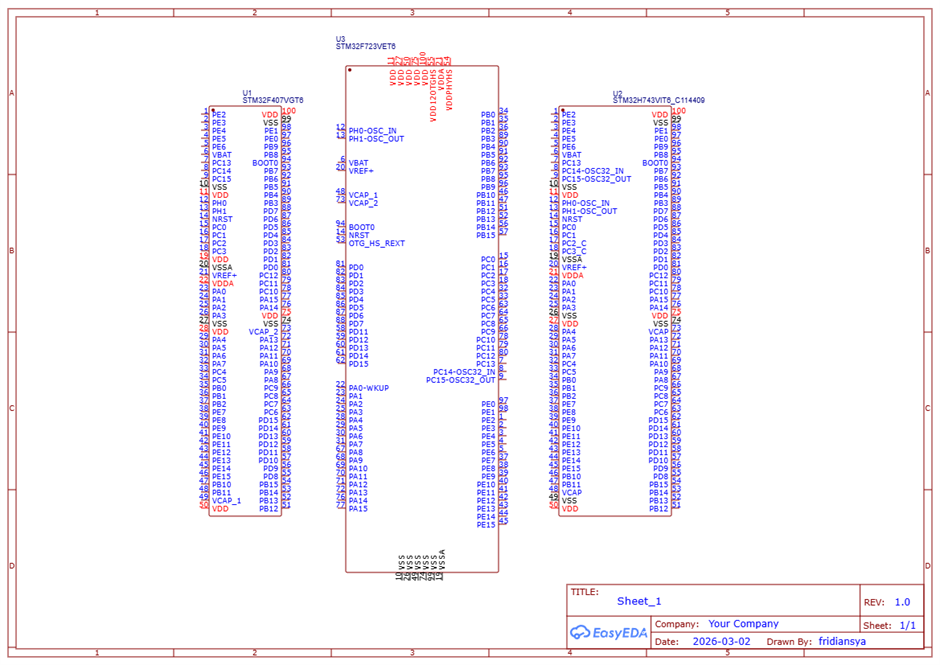
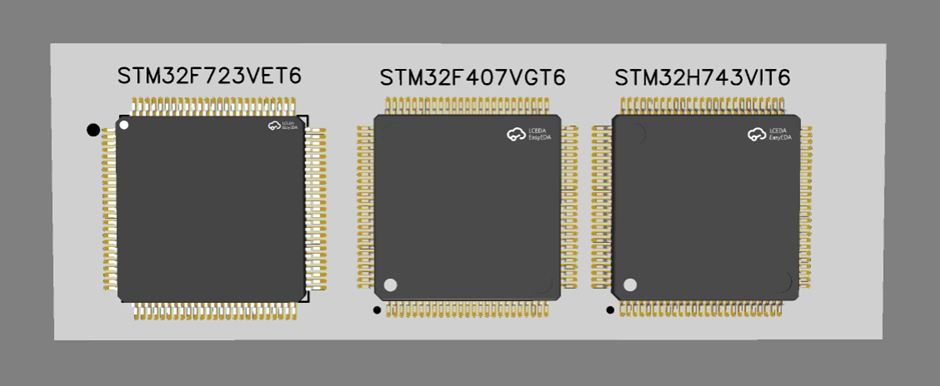
Are you ready to stop buying off-the-shelf boards and start engineering your own? Over the next 30 days, I’m hosting a Deep Dive Series on Flight Controller design from schematic logic to sensor integration.
Sign In Or Register Comment after
No comments yet. Be the first to comment!