


Capacitor Polarity Guide: One Mistake = Total PCB Failure
 View
View
Capacitor polarity is NOT just a marking - it’s a fundamental physical property of electrolytic and tantalum capacitors.
👉 These capacitors rely on an ultra-thin dielectric layer that only works under correct voltage direction (forward bias).
❌ Reverse it… and here’s what happens:
- Dielectric breakdown
- Massive leakage current
- Heat buildup
- Venting… or even explosion 💥
📌 Real engineering insight:
This is not a minor issue - reverse polarity creates a low-resistance path, effectively turning the capacitor into a short circuit.
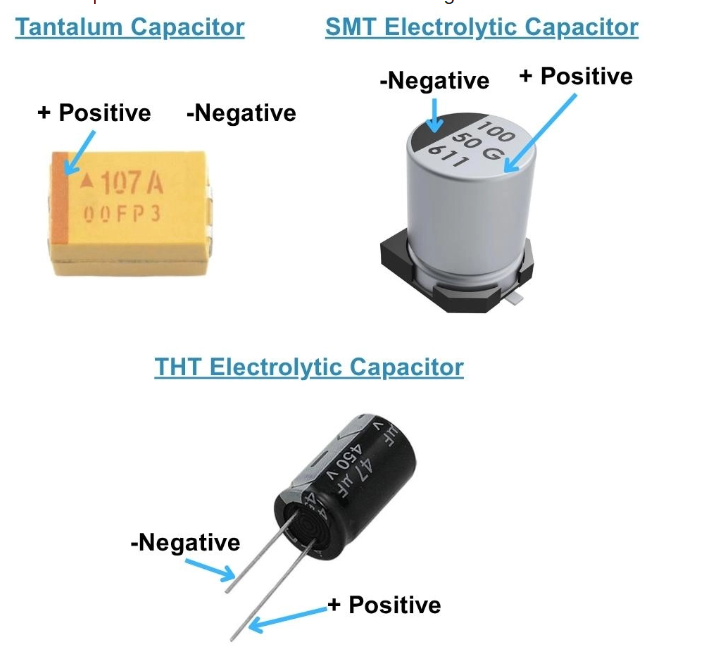
🔍 How to Identify Polarity (Practical Rules)
- Check component markings (stripe / + sign)
- Verify PCB footprint + silkscreen alignment
- Cross-check with datasheet before assembly
📌 Critical PCB design tip:
Even if the silkscreen looks correct, a wrongly mapped footprint can cause 100% failure across all assembled boards.
💡 Bottom line:
Polarity mistakes don’t just damage components—they destroy entire PCB batches in production
📖 Full guide (must-read for PCBA reliability):
https://jlcpcb.com/blog/capacitor-polarity-guide
Sign In Or Register Comment after
No comments yet. Be the first to comment!