


I Built a 100W Stereo Class-D Amplifier Using TPA3221
 View
View
I am a fan of audio technology as it is cleared from most of my articles. I always try some new ICs or audio related things here. And today is the time for class D amplifiers. I made a subwoofer speaker that can handle upto 200W in stereo but I don’t have any good amplifier system that I can directly fit into my car. And that thing brings me towards TPA3221 IC. For the same price, anyone can get cheap Bluetooth speakers. But they distort at half volume, the bass rolls off a cliff. I want to drive my TP3221 amplifier directly from the car battery in this case.
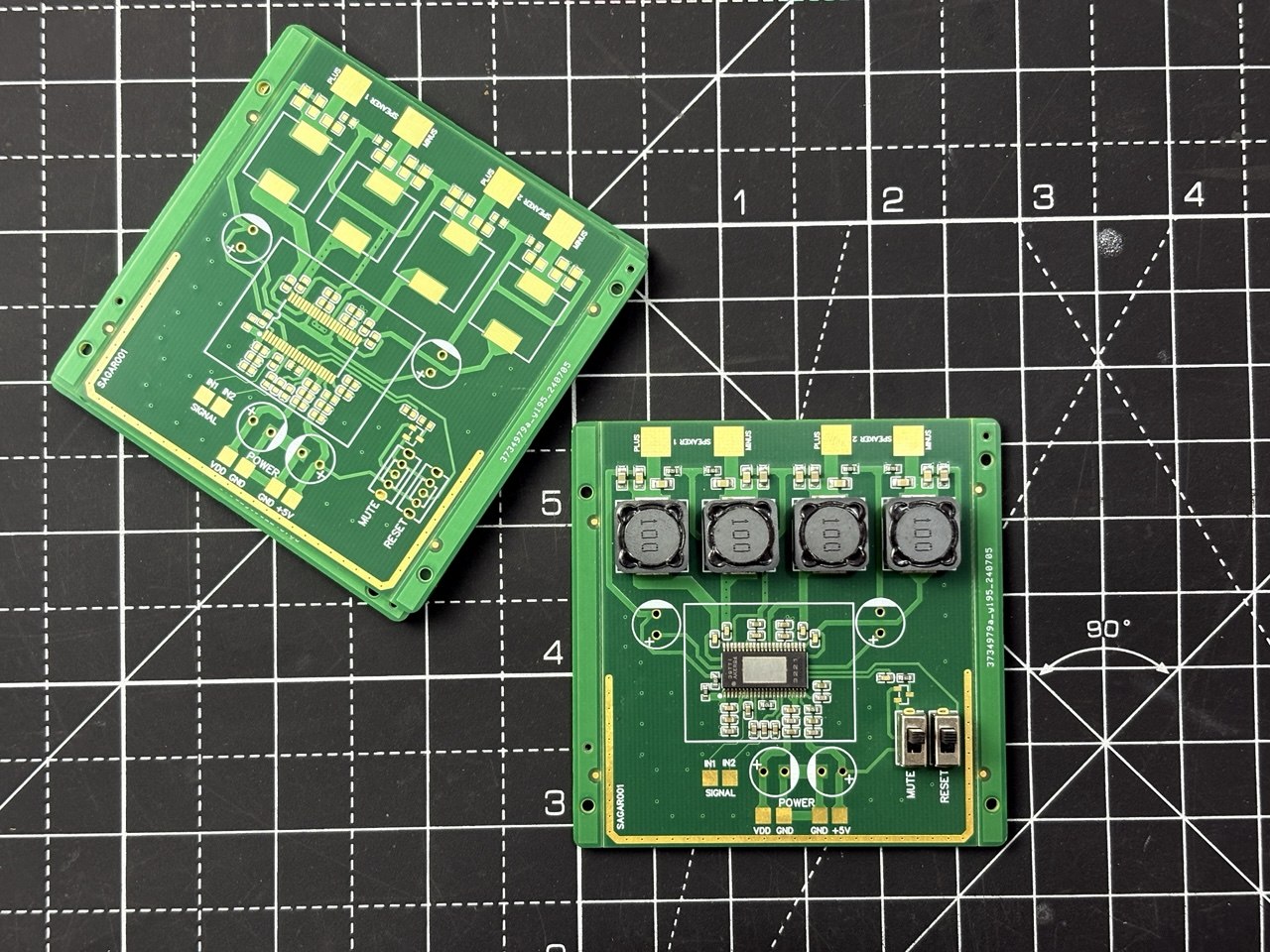
So that it can actually push real power into real speakers, with clean audio and proper engineering behind it. The goal was simple: a compact, high-efficiency stereo amplifier that can deliver 100W per channel into 4-ohm speakers. Just a clean analog-in, speaker-out power amplifier that I could pair with any source. In this article, I will walk you through the full design. Schematic and PCB layout with a real-world audio test and listening demo, check out the YouTube video linked with this project.
Testing and Results
For the full audio test you can refer to the video attached here. I have tried music playback, frequency sweep, bass response, and real listening impressions with actual speakers. Audio quality is one of those things that does not translate well to text. You need to hear it. What I can say here at moderate listening levels, the amplifier is dead silent. No hiss, no hum, no audible switching noise. The closed-loop feedback does its job and the sound is noticeably cleaner than open-loop Class-D designs I have tried before.
#audio# #amplifier# pc #pcbdesign#
 #audio#
#amplifier#
#pcbdesign#
#audio#
#amplifier#
#pcbdesign#
Sign In Or Register Comment after
No comments yet. Be the first to comment!