


Understanding RMS Calculation in Microcontroller-Based Systems
 View
View
Accurate measurement of AC signals is essential in many embedded systems, especially in power monitoring and industrial applications. Unlike DC signals, AC current and voltage vary continuously over time, making simple averaging ineffective. To represent the effective value of an AC signal, Root Mean Square (RMS) calculation is used.
This article explains how RMS is implemented in microcontroller-based systems and why it is critical for reliable measurement.
What is RMS?
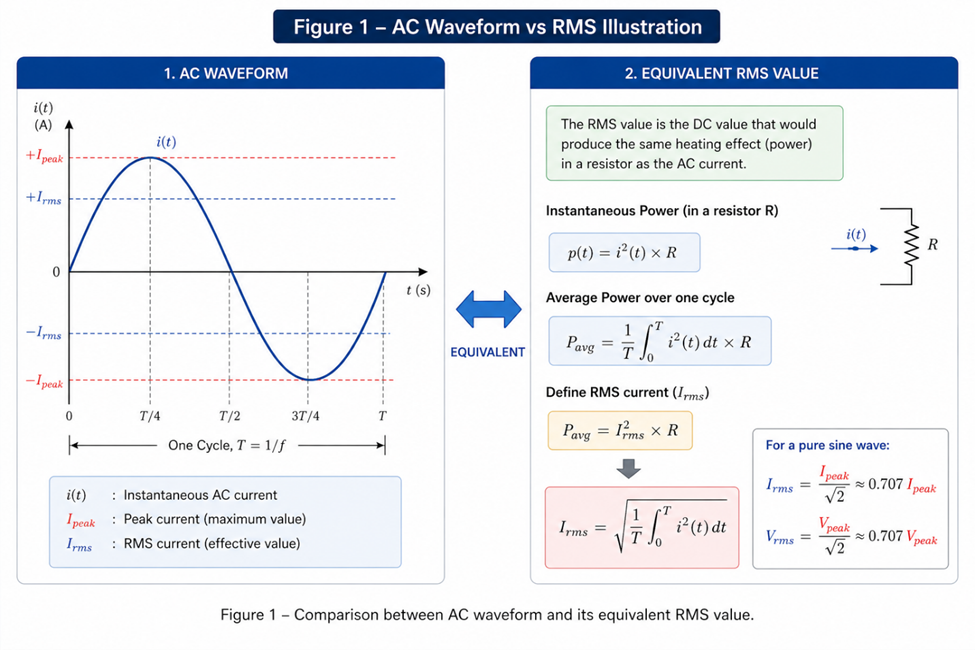
RMS (Root Mean Square) represents the equivalent DC value of an AC signal that produces the same power.
Mathematically:
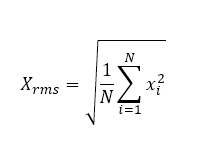
Where:
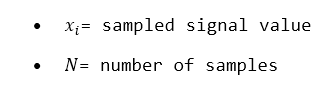
This calculation ensures that both positive and negative portions of the waveform contribute correctly to the final value.
Sampling Strategy in Microcontrollers
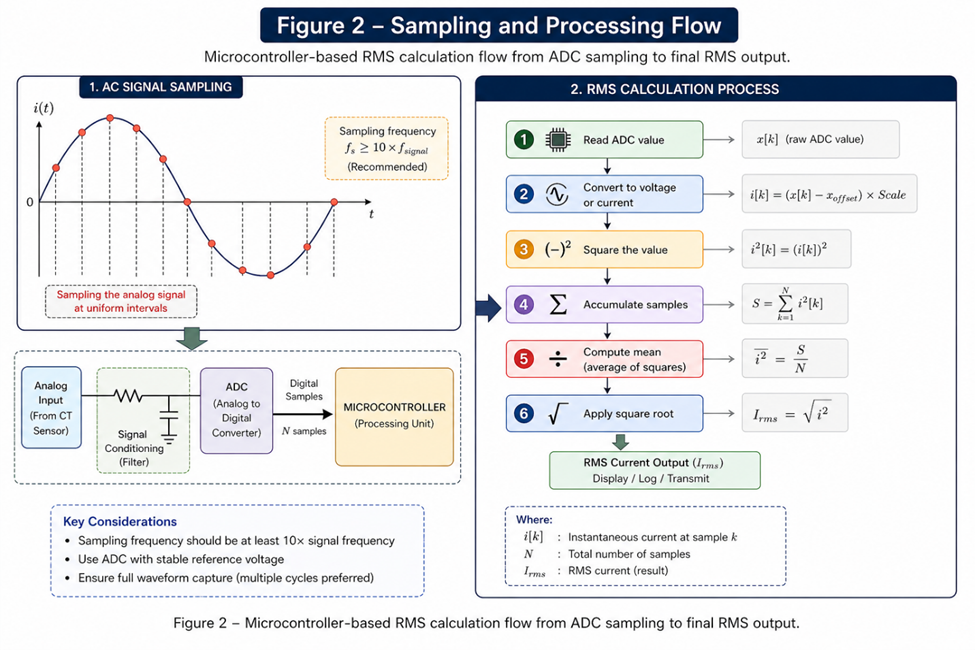
To compute RMS, the microcontroller must sample the signal at a sufficient rate.
Key considerations:
- Sampling frequency should be at least 10× signal frequency
- Use ADC with stable reference voltage
- Ensure full waveform capture (multiple cycles preferred)
Typical steps:
- Read ADC value
- Convert to voltage/current
- Square the value
- Accumulate samples
- Compute mean
- Apply square root
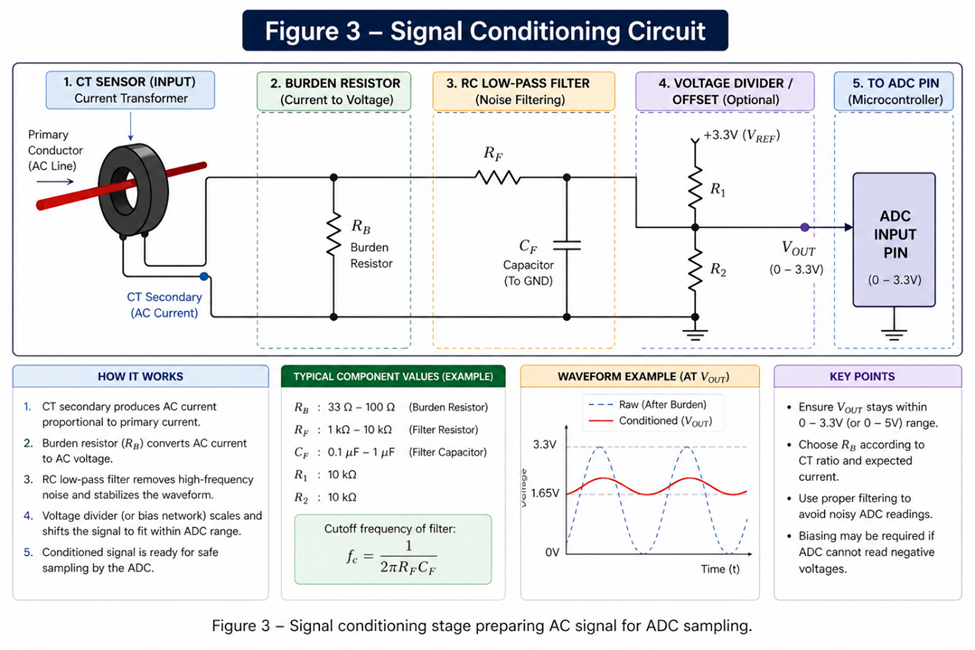
Signal Conditioning Requirement
Raw AC signals cannot be directly connected to microcontroller ADC pins. Signal conditioning is required to:
- Scale voltage within ADC range (0–3.3V / 5V)
- Shift signal offset (if needed)
- Filter noise using RC low-pass filter
For current measurement using CT sensors:
- Burden resistor converts current to voltage
- Filtering stabilizes waveform
- Optional biasing shifts AC waveform into positive range
Improving Measurement Accuracy
Several techniques can improve RMS accuracy:
- Use moving average filtering
- Capture multiple waveform cycles
- Implement zero-cross detection
- Calibrate sensor scaling factors
Noise and insufficient sampling can significantly affect RMS results, especially in low-current measurements.
Practical Applications
RMS calculation is widely used in:
- Energy monitoring systems
- Industrial current data loggers
- Smart meters
- Motor load analysis
- Power quality monitoring
Accurate RMS measurement enables better decision-making in both control and monitoring systems
RMS calculation is a fundamental technique for measuring AC signals in embedded systems. By combining proper sampling, signal conditioning, and efficient computation, microcontrollers can accurately represent real-world electrical parameters for industrial and IoT applications.
#TestAndMeasurement#
#RMSCalculation#
#EmbeddedSystem#
#SignalProcessing#
#Microcontroller#
#AnalogSignal#
 #TestAndMeasurement#
#RMSCalculation#
#EmbeddedSystem#
#SignalProcessing#
#Microcontroller#
#AnalogSignal#
#TestAndMeasurement#
#RMSCalculation#
#EmbeddedSystem#
#SignalProcessing#
#Microcontroller#
#AnalogSignal#
Sign In Or Register Comment after
No comments yet. Be the first to comment!