


 View
View
ESP8266 — Design Tradeoffs and Upgrade Path
Is it obsolete? Technically no. Is there a better option for new designs? Usually yes.
The ESP32-C3 gives you BLE + Wi-Fi with a modern RISC-V core at a similar cost. For new projects, the ESP32-C3 is the recommended upgrade path, offering roughly 5× the usable RAM and native USB support without an external serial chip. But for legacy designs and ultra-simple nodes, the ESP8266 remains perfectly valid.
ESP32 — Still the King of General-Purpose IoT
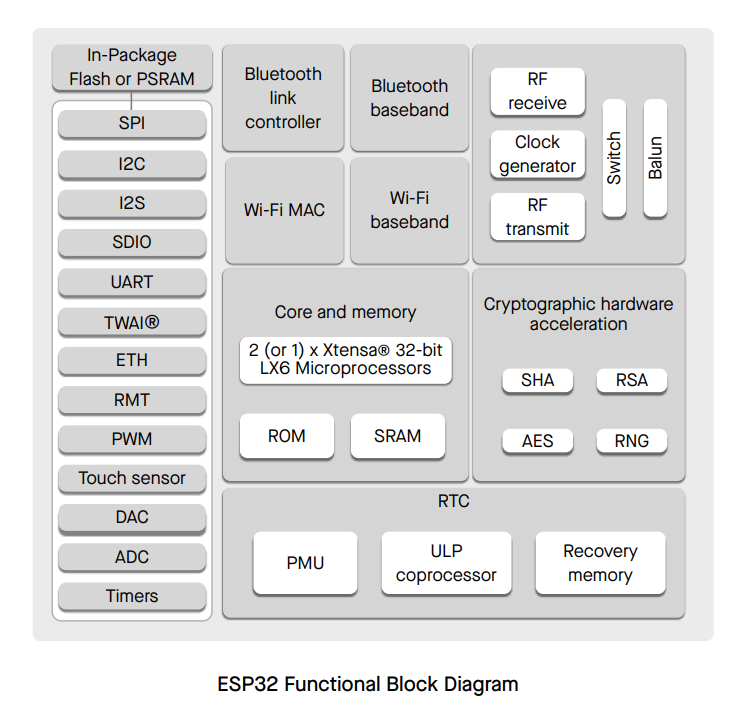
The classic ESP32 features a dual-core Xtensa LX6 microprocessor running up to 240 MHz, delivering approximately 600 DMIPS. It includes 520 KB of on-chip SRAM, Wi-Fi (802.11 b/g/n), Bluetooth Classic, and BLE 4.2. Peripheral-wise, it's loaded: 34 GPIOs with a flexible hardware GPIO matrix, 18 ADC channels, two 8-bit DACs, capacitive touch sensing, a CAN bus controller (TWAI™), I²S, and a hardware crypto accelerator. At $2–4 in volume, nothing else comes close on the feature-per-dollar ratio.
The dual-core architecture is the real game changer. The Wi-Fi/BLE stack runs on protocol core (core 0), while your application runs on the application core (core 1). No more fighting over CPU time with the radio stack. Real-time tasks run in real time. This alone makes the ESP32 significantly more reliable than the ESP8266 for complex applications.
If I had to recommend one ESP chip for 90% of IoT projects, it's still the classic ESP32. It has the largest community, the most library support, the most examples, and the most battle-tested production deployments. When in doubt, use the ESP32.
ESP32-S2 — The USB Specialist Nobody Talks About Enough
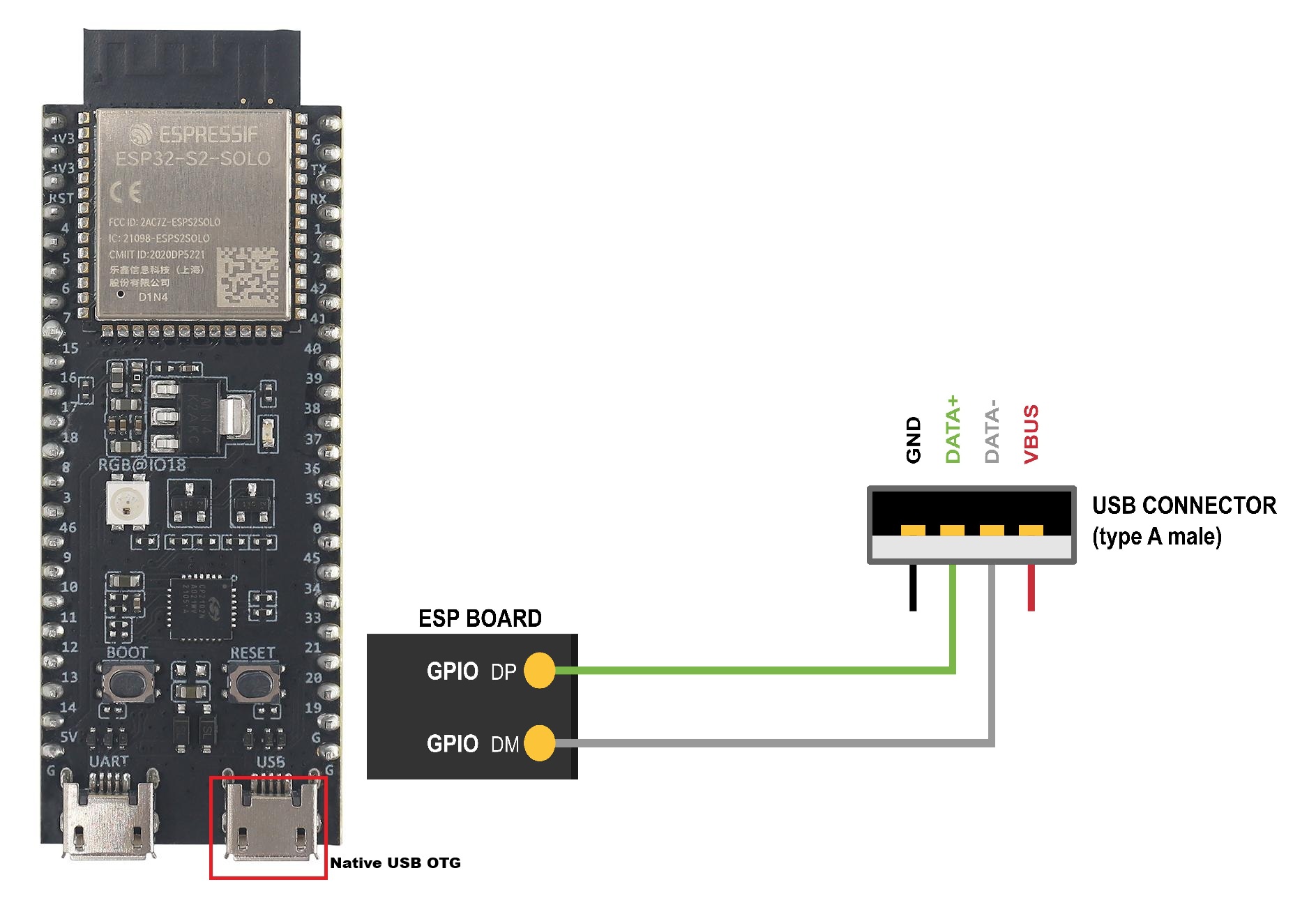
Espressif made an interesting call with the S2: drop Bluetooth entirely, add native USB OTG, and beef up the security features. It's a single-core Xtensa LX7 microprocessor, which means it's cheaper than the dual-core ESP32. For applications that need USB device functionality, HID keyboard, CDC serial, mass storage, without Bluetooth, it's a perfect fit.
The security angle is also serious here. The S2 implements secure boot using RSA-PSS with 3072-bit keys, and flash encryption uses the industry-standard AES256-XTS scheme. A Digital Signature peripheral can store private keys in eFuses that can never be read out by software, allowing cryptographic operations without key exposure. If you're building an industrial device that needs USB configuration and strong security but doesn't require BLE, the S2 deserves a hard look.
Sign In Or Register Comment after
No comments yet. Be the first to comment!